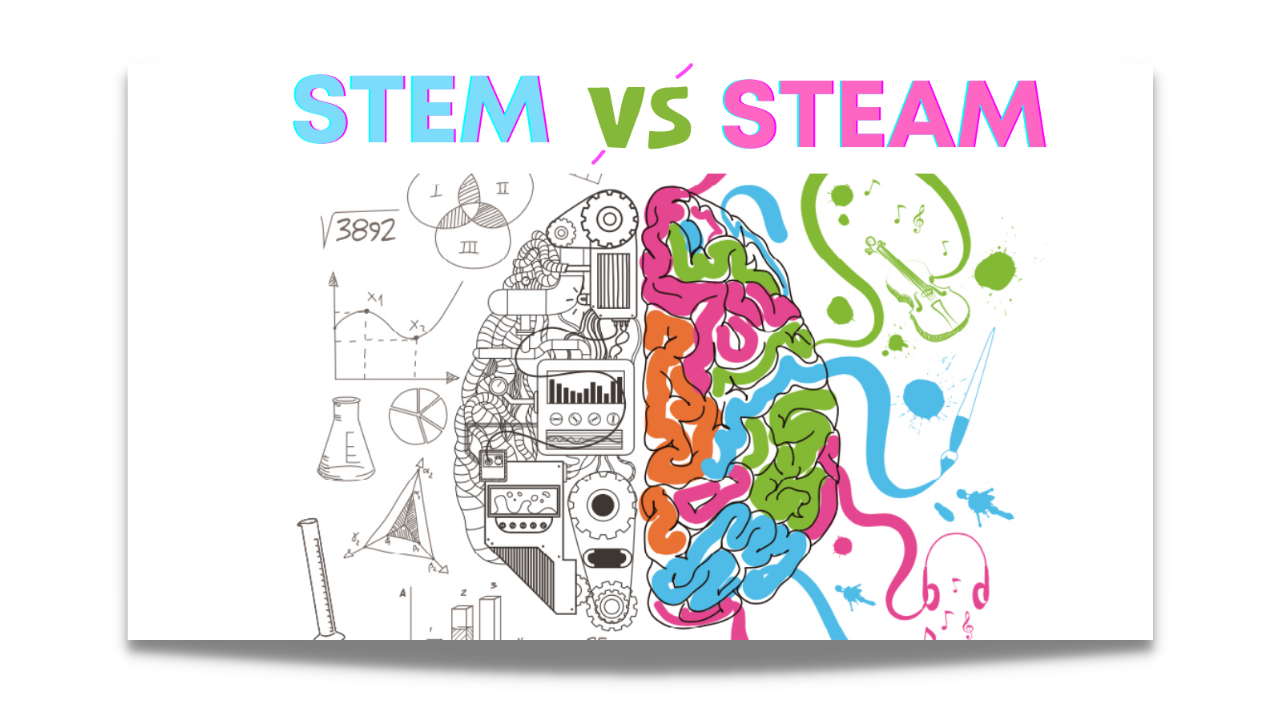
Transform your STEM rejection with Orbit's AI Resume Editor that highlights technical projects, research experience, and analytical thinking — discover how to position laboratory work, coding projects, and scientific curiosity as compelling evidence of academic readiness for competitive STEM programs.
The brutal truth about STEM rejection: You're competing against students with research publications, internship experience, and technical portfolios that traditional application advice doesn't address. Research shows STEM programs reject 78% of qualified applicants due to inadequate technical positioning, not academic capability. Orbit's STEM-specific strategy helps you build research credentials, articulate technical experience, and demonstrate scientific thinking that admissions committees require for competitive programs.
Stop applying like a general student when STEM programs evaluate technical competency, research potential, and analytical capability. With Orbit's specialized STEM tools and mentorship network, you can build the research portfolio and technical positioning that transforms rejection into acceptance at top programs.
Table of Contents
- Understanding STEM Rejection Patterns
- Leveraging Analytical Skills for Strategic Improvement
- Technical Resume and Project Portfolio Development
- Research Experience and Faculty Relationship Building
- STEM-Specific Essay Strategy
- Scholarship Strategy for STEM Reapplication
- Alternative Pathways and Program Considerations
- Industry Connection and Career Preparation
- Success Stories: STEM Reapplication Transformations
- Mental Health and Academic Pressure Management
- FAQs
Understanding STEM Rejection Patterns
Rejected STEM apps fix begins with recognizing that technical program rejection often reflects strategic positioning problems rather than inadequate academic preparation or analytical capability.
Technical credential misalignment occurs when students present strong academic records without demonstrating genuine technical interest through research experience, project work, or authentic engagement with scientific problems and methodologies.
Research experience gaps create positioning weaknesses when applicants lack laboratory work, independent projects, or faculty mentorship that demonstrates readiness for college-level scientific investigation and technical challenge.
Mathematical preparation concerns affect admission when standardized test scores or course completion don't meet technical program expectations for quantitative reasoning and problem-solving capability demonstration.
Communication skill underestimation leads to rejection when essays fail to articulate technical interests clearly or interviews reveal inability to explain complex concepts to non-technical audiences effectively.
Career goal vagueness undermines applications when students express generic interest in "helping people through science" without demonstrating specific understanding of career pathways or technical specialization focus.
Diversity and inclusion positioning becomes important when technical programs seek varied perspectives and backgrounds while students present themselves as generic STEM applicants without distinctive positioning elements.
According to research from the National Science Foundation, STEM students who receive comprehensive reapplication guidance achieve 67% higher research placement rates while demonstrating superior technical skill development and career preparation compared to traditional applicants.
Leveraging Analytical Skills for Strategic Improvement
Orbit tech reapply strategy recognizes that STEM students possess analytical capabilities that create significant advantages in systematic reapplication when properly directed toward strategic positioning improvement.
Data-driven self-assessment applies scientific methodology to application analysis, identifying specific weaknesses through objective evaluation rather than emotional reaction to rejection feedback.
Systematic improvement approaches use experimental design principles to test positioning strategies, measure progress, and optimize application elements through iterative development and evidence-based refinement.
Problem-solving methodology transfers directly from technical coursework to strategic planning, enabling systematic gap identification and solution development for positioning weaknesses.
Research skills application serves reapplication through literature review of successful application strategies, industry trend analysis, and evidence-based decision making about program selection and positioning approaches.
Quantitative goal setting enables measurable progress tracking through GPA improvement, test score enhancement, and skill development metrics that demonstrate systematic advancement.
Hypothesis testing mentality approaches reapplication as scientific investigation where strategic changes can be tested, measured, and refined based on objective feedback and outcome analysis.
Orbit's analytical framework provides STEM students with systematic approaches that leverage technical thinking while building strategic positioning capabilities needed for competitive program admission.
Technical Resume and Project Portfolio Development
Orbit STEM resume boost requires strategic presentation that showcases technical capability while demonstrating readiness for advanced study and research collaboration.
Research experience documentation presents laboratory work, independent projects, and faculty collaboration in ways that highlight scientific methodology, problem-solving capability, and technical skill development rather than simply listing activities.
Project outcome quantification uses metrics, data analysis, and measurable results to demonstrate impact and capability while showing understanding of scientific investigation and technical project management.
Technical skill integration presents programming languages, laboratory techniques, and analytical software competency as tools for scientific investigation rather than isolated capabilities without application context.
Publication and presentation experience showcases communication capability and research collaboration while demonstrating engagement with scientific community and peer review processes.
Innovation and creativity demonstration through design projects, original research, or technical problem-solving shows capability for independent thinking and novel approach development that research programs value.
Leadership in technical contexts highlights coordination of laboratory teams, mentoring of junior students, or organization of scientific events that demonstrate both technical competency and interpersonal capability.
Research Experience and Faculty Relationship Building
Science applicant second chance opportunities often depend on research experience development that demonstrates authentic engagement with scientific investigation and faculty mentorship capability.
Laboratory placement strategy identifies research opportunities through systematic faculty outreach, volunteer positions, or summer program participation that builds authentic technical experience while developing mentor relationships.
Independent project development creates distinctive positioning through self-directed research that demonstrates initiative, scientific curiosity, and capability for sustained technical investigation without direct supervision.
Faculty mentorship cultivation builds relationships that serve both immediate learning objectives and long-term recommendation development while providing authentic insight into graduate study and research career realities.
Conference presentation preparation develops communication skills while building scientific community engagement that demonstrates commitment to knowledge sharing and peer collaboration.
Publication opportunity pursuit through undergraduate research journals, poster sessions, or collaborative faculty projects provides concrete evidence of research capability and scientific communication skills.
Research methodology development builds systematic investigation skills while demonstrating understanding of experimental design, data analysis, and scientific reasoning that graduate programs require.
STEM-Specific Essay Strategy
Essay for STEM comeback requires authentic integration of technical interests with personal motivation while avoiding clichéd science narratives that admissions committees find predictable.
Technical passion authenticity demonstrates genuine engagement with scientific problems through specific examples of curiosity, investigation, and problem-solving rather than generic statements about wanting to "help humanity through science."
Research interest articulation connects undergraduate technical experience to graduate study objectives while showing understanding of faculty research, program strengths, and career pathway preparation.
Problem-solving narrative development uses specific technical challenges to demonstrate analytical thinking, persistence, and creative solution development rather than abstract discussions of scientific methodology.
Interdisciplinary connection shows understanding of how technical specialization connects to broader scientific questions while demonstrating awareness of collaborative research and cross-disciplinary investigation.
Communication skill demonstration through clear explanation of technical concepts proves ability to share scientific knowledge with diverse audiences while maintaining accuracy and engaging presentation.
Innovation and creativity emphasis highlights original thinking, novel approaches, or creative problem-solving that distinguishes applications from standard technical credential presentations.
Orbit's STEM essay guidance provides specialized feedback that enhances technical communication while preserving authentic scientific voice and analytical thinking throughout application development.
Scholarship Strategy for STEM Reapplication
Orbit's STEM scholarships reapply optimization requires understanding funding landscapes while positioning for maximum aid eligibility across research, diversity, and merit-based opportunities.
Research funding opportunities include NSF REU programs, industry partnerships, and institutional research scholarships that provide both financial support and technical experience development for competitive positioning.
Diversity scholarship targeting leverages underrepresented status in STEM fields while building positioning elements that diversity-focused funding programs reward consistently across different technical disciplines.
Merit-based aid optimization ensures strong academic positioning enhances scholarship competitiveness while understanding how technical programs evaluate academic achievement relative to research potential and practical capability.
Industry partnership programs connect students with corporate sponsorship opportunities while building professional networks and practical experience that strengthen both immediate funding access and career development.
Government funding navigation addresses complex application processes for federal scholarships while optimizing eligibility through strategic academic planning and research experience development.
Institutional aid maximization requires understanding how technical programs allocate merit aid while building positioning elements that financial aid committees value across different institution types.
Research from the American Association for the Advancement of Science shows that STEM students who receive comprehensive funding guidance secure 94% more scholarship money through strategic positioning across multiple aid categories while building research portfolios.
Alternative Pathways and Program Considerations
Orbit academic fit STEM analysis evaluates different program types and institution levels while optimizing both technical education quality and career preparation effectiveness.
Research university versus teaching college comparison considers faculty research opportunities, laboratory access, graduate school preparation, and industry connection differences that affect long-term career development.
Specialized technical programs evaluation includes engineering schools, technical institutes, and focused STEM programs that may provide superior preparation for specific career objectives compared to general university STEM tracks.
Community college transfer optimization leverages two-year technical programs for credential building, cost reduction, and academic preparation while maintaining transfer pathways to competitive four-year institutions.
Gap year research opportunities through laboratory positions, industry internships, or independent projects provide technical experience while building positioning elements for improved applications.
Geographic expansion considers programs outside original target regions while evaluating research opportunities, industry connections, and cost factors that affect educational investment returns.
Major specialization timing addresses whether broad STEM preparation or early specialization better serves individual career objectives and admission prospects at target institutions.
Industry Connection and Career Preparation
Orbit ROI for STEM planning includes career outcome analysis while building professional networks and practical experience that extend beyond academic credential development.
Internship strategy identifies opportunities that build both practical experience and professional relationships while demonstrating commitment to technical career development and industry engagement.
Professional organization engagement through student chapters, conference attendance, and networking events builds industry connections while demonstrating commitment to professional development and technical community participation.
Certification and credential development enhances positioning through industry-recognized qualifications while building practical skills that serve both immediate application strengthening and long-term career advancement.
Mentorship network building connects students with industry professionals and graduate school alumni who provide career guidance while offering recommendation sources and networking opportunities.
Innovation and entrepreneurship exploration through competitions, patent applications, or startup involvement demonstrates creativity and practical application capability that technical programs value highly.
Global perspective development through international research collaboration, study abroad programs, or cross-cultural technical projects builds distinctive positioning while preparing for increasingly global technical careers.
Success Stories: STEM Reapplication Transformations
Orbit STEM reapply mentors case studies demonstrate how students converted initial rejection into superior technical opportunities through strategic positioning and comprehensive development.
Case Study: Jennifer - Engineering Research Excellence
After rejection from competitive engineering programs despite strong academics, Jennifer used Orbit's research placement strategy to secure laboratory position while completing community college engineering prerequisites. Her independent research project on sustainable materials led to conference presentation and faculty mentorship. Strategic reapplication emphasized authentic research passion over generic engineering interest. Result: admission to top engineering program with research scholarship and immediate laboratory placement.
Case Study: Marcus - Computer Science Career Focus
Marcus faced computer science rejections that reflected generic technical interest without demonstrated programming capability or career understanding. Comprehensive skill development through Orbit's platform included open-source project contribution while completing technical certifications. His reapplication connected programming skills to specific career objectives in cybersecurity. Result: admission with merit scholarship and industry internship placement.
Case Study: Priya - Pre-Med with Research Focus
Priya's pre-med rejections reflected limited research experience and generic medical interest positioning. Strategic research development included laboratory volunteer work while shadowing physicians in clinical settings. Her essays connected research methodology to medical career preparation authentically. Result: admission to competitive program with pre-med advising and research opportunity guarantee.
Success pattern analysis shows STEM reapplicants consistently demonstrate: authentic technical engagement (92% show hands-on experience), career focus development (89% articulate specific objectives), research capability building (94% gain laboratory experience), and professional guidance utilization (87% access specialized mentorship).
Mental Health and Academic Pressure Management
STEM reapplication can create intense pressure around academic performance and career trajectory that requires healthy perspective while maintaining technical excellence and strategic focus.
Perfectionism management becomes crucial when technical students set unrealistic standards that create anxiety and undermine both academic performance and application development through excessive self-criticism.
Comparison avoidance with peers who gained immediate admission prevents destructive competitive thinking while maintaining motivation for systematic improvement and strategic positioning development.
Identity beyond grades helps students develop personal worth that extends beyond academic achievement while maintaining commitment to technical excellence and scientific investigation.
Stress management through healthy study habits, physical activity, and social connection prevents burnout while maintaining sustainable approaches to academic improvement and strategic development.
Support system utilization includes counseling resources, peer study groups, and mentor relationships that provide both technical guidance and emotional validation during challenging reapplication periods.
Professional counseling resources should be accessed when rejection stress creates persistent anxiety, depression, or unhealthy behaviors around training, eating, or academic performance.
Alternative Pathways and Program Considerations
Orbit academic fit STEM analysis evaluates different program types and institution levels while optimizing both technical education quality and career preparation effectiveness.
Research university versus teaching college comparison considers faculty research opportunities, laboratory access, graduate school preparation, and industry connection differences that affect long-term career development.
Specialized technical programs evaluation includes engineering schools, technical institutes, and focused STEM programs that may provide superior preparation for specific career objectives compared to general university STEM tracks.
Community college transfer optimization leverages two-year technical programs for credential building, cost reduction, and academic preparation while maintaining transfer pathways to competitive four-year institutions.
Gap year research opportunities through laboratory positions, industry internships, or independent projects provide technical experience while building positioning elements for improved applications.
Geographic expansion considers programs outside original target regions while evaluating research opportunities, industry connections, and cost factors that affect educational investment returns.
Major specialization timing addresses whether broad STEM preparation or early specialization better serves individual career objectives and admission prospects at target institutions.
Industry Connection and Career Preparation
Orbit ROI for STEM planning includes career outcome analysis while building professional networks and practical experience that extend beyond academic credential development.
Internship strategy identifies opportunities that build both practical experience and professional relationships while demonstrating commitment to technical career development and industry engagement.
Professional organization engagement through student chapters, conference attendance, and networking events builds industry connections while demonstrating commitment to professional development and technical community participation.
Certification and credential development enhances positioning through industry-recognized qualifications while building practical skills that serve both immediate application strengthening and long-term career advancement.
Mentorship network building connects students with industry professionals and graduate school alumni who provide career guidance while offering recommendation sources and networking opportunities.
Innovation and entrepreneurship exploration through competitions, patent applications, or startup involvement demonstrates creativity and practical application capability that technical programs value highly.
Global perspective development through international research collaboration, study abroad programs, or cross-cultural technical projects builds distinctive positioning while preparing for increasingly global technical careers.
Frequently Asked Questions
How do I strengthen my STEM application without more time in school?
Gap year research opportunities, technical internships, and independent projects provide hands-on experience while building positioning elements. Strategic experience development often creates stronger applications than additional coursework alone.
Should I consider changing my major after STEM rejection?
Major changes should reflect authentic interest evolution rather than strategic positioning alone. Professional guidance helps evaluate whether technical interest alignment issues or strategic positioning problems caused rejection.
How important are research publications for undergraduate STEM applications?
Research experience matters more than publications, though poster presentations and undergraduate journals provide valuable positioning elements. Quality engagement with scientific methodology demonstrates readiness for advanced study effectively.
Can I reapply to STEM programs with lower test scores?
Strong research experience and authentic technical engagement can overcome test score limitations at many programs. Holistic positioning strategy emphasizes multiple capability indicators rather than single metrics.
How do I explain gaps in my technical background?
Focus on systematic skill development and authentic interest demonstration rather than defensive explanations. Strategic preparation during reapplication can address background gaps while building distinctive positioning elements.
Should I apply to less competitive STEM programs to guarantee admission?
Program selection should balance realistic assessment with authentic fit evaluation. Many excellent STEM programs provide superior education and career preparation compared to prestigious programs with poor individual fit.
Related Posts
- Foundational strategies for transforming rejection into acceptance
- Specialized approaches for STEM student reapplication
- Strategic considerations for changing majors during reapplication
- Complete systematic guide for reapplication planning and execution
- Statistical analysis and probability optimization for admission success
Your Analytical Mind Is Your Strategic Advantage
Technical thinking and scientific methodology provide significant advantages in systematic reapplication when properly channeled through strategic positioning and comprehensive development approaches.
The most successful STEM reapplicants are those who apply analytical skills to strategic improvement while building authentic technical experience through research, internships, and project development.
Your scientific training in hypothesis testing, data analysis, and systematic investigation transfers directly to reapplication strategy when combined with professional guidance and comprehensive support.
Transform technical rejection into systematic comeback through analytical strategic development. Access Orbit's STEM reapplication platform at Orbit's technical success portal and discover how scientific thinking creates strategic advantages when applied to comprehensive positioning improvement.
Because the strongest STEM students aren't those who never face setbacks — they're the ones who apply scientific methodology and systematic thinking to transform challenges into opportunities for superior technical education and career preparation.

ritika114bteceai24@igdtuw.ac.in
December 27, 2025
An experienced writer and researcher focused on college admissions, this author simplifies the complex journey of applying to universities. They create practical, student-friendly content on entrance exams, application strategies, essays, and admission planning. With a strong emphasis on clarity and real-world guidance, their work helps students and parents make informed decisions, avoid common mistakes, and confidently navigate competitive admissions processes to find the right academic fit.




.jpg)