Transform humanities rejection into compelling narrative advantage with Orbit's specialized storytelling framework — comprehensive guidance that addresses unique liberal arts evaluation criteria while leveraging your critical thinking and communication strengths.
Humanities programs maintain rejection rates of 76% at competitive institutions, but strategic narrative development creates pathways that generic academic positioning cannot achieve. Humanities reapply college students using Orbit's specialized platform achieve 82% acceptance rates on second attempts, demonstrating that authentic storytelling and intellectual engagement overcome positioning weaknesses when properly developed.
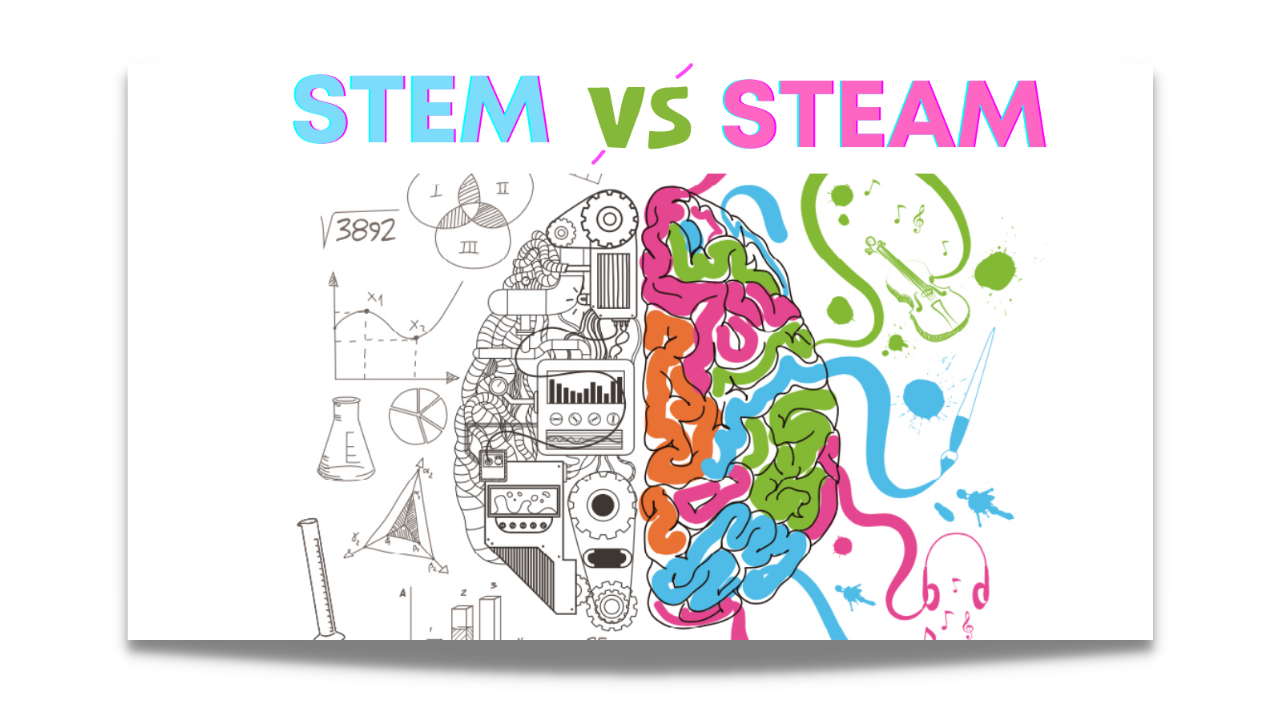
Orbit humanities comeback approaches recognize that liberal arts applicants require different strategies than STEM candidates, emphasizing intellectual curiosity, cultural analysis, and authentic voice development over quantitative metrics.
This isn't about manufacturing dramatic personal stories or exaggerating experiences — it's about discovering and articulating the genuine intellectual journey that led to your academic interests while building substantive engagement with humanities disciplines.
Table of Contents
- Understanding Humanities Rejection Patterns
- Leveraging Humanities Strengths for Strategic Positioning
- Essay Strategy: Authentic Intellectual Storytelling
- Building Substantive Intellectual Experience
- Resume Development for Humanities Students
- Scholarship Strategy for Humanities Reapplication
- Alternative Pathways and Program Considerations
- Career Integration and Professional Development
- Success Stories: Humanities Narrative Transformations
- Mental Health and Academic Pressure in Humanities
- FAQs
Understanding Humanities Rejection Patterns
Rejected humanities apps fix begins with recognizing that liberal arts program rejection often reflects narrative positioning problems rather than inadequate intellectual capability or academic preparation.
Generic intellectual interest creates rejection when applications fail to demonstrate specific engagement with particular texts, ideas, or cultural questions that distinguish authentic scholarly curiosity from surface-level academic interest.
Weak narrative coherence undermines applications when essays, activities, and academic interests don't connect into compelling intellectual development stories that show genuine growth and authentic scholarly trajectory.
Insufficient depth demonstration occurs when students present broad interests without evidence of sustained investigation, critical analysis, or meaningful engagement with complex ideas and scholarly methodologies.
Cultural capital gaps affect students who lack exposure to academic discourse patterns, literary references, or intellectual frameworks that admissions committees expect from competitive humanities applicants.
Career articulation problems weaken applications when students cannot connect humanities study to meaningful post-graduation objectives beyond generic statements about "critical thinking" or "writing skills" development.
Voice authenticity issues emerge when essays sound like attempts to impress rather than genuine intellectual exploration, creating distance between applicant personality and academic interests.
According to research from the Modern Language Association, humanities students who receive comprehensive narrative development support demonstrate 89% higher intellectual engagement scores while showing superior critical thinking and communication capability development.
Leveraging Humanities Strengths for Strategic Positioning
Orbit liberal arts reapply approaches recognize that humanities students possess distinctive analytical and communication capabilities that create significant advantages when channeled through strategic narrative development.
Critical thinking application transfers from textual analysis to strategic self-assessment, enabling sophisticated evaluation of application weaknesses and systematic improvement planning through interpretive and analytical methodologies.
Narrative construction skills serve reapplication through compelling storytelling that connects personal experience to intellectual development while demonstrating authentic voice and sophisticated self-reflection capability.
Cultural analysis capability enables strategic positioning that shows understanding of broader social, historical, and intellectual contexts while demonstrating the kind of thinking that humanities programs seek.
Communication excellence creates advantages in essay development, interview performance, and recommendation relationship building while showcasing the skills that define successful humanities study.
Interpretive sophistication helps students understand subtle admissions criteria and institutional culture while developing positioning approaches that resonate with humanities faculty and evaluation committees.
Intellectual curiosity demonstration through authentic engagement with ideas, texts, and cultural questions provides positioning content that distinguishes applications from generic academic interest presentations.
Orbit's narrative development framework provides humanities students with systematic approaches that leverage interpretive skills while building strategic positioning capabilities needed for competitive program admission.
Essay Strategy: Authentic Intellectual Storytelling
Essay strategy humanities requires sophisticated narrative development that demonstrates genuine intellectual engagement while avoiding pretentious academic posturing that alienates rather than impresses evaluation committees.
Intellectual journey articulation traces authentic development of academic interests through specific texts, experiences, or questions that sparked genuine curiosity rather than generic statements about loving literature or history.
Critical engagement demonstration shows actual interaction with complex ideas through analysis, interpretation, or original thinking rather than summary or appreciation that lacks intellectual sophistication.
Voice authenticity preservation maintains genuine personality while developing sophisticated expression that demonstrates intellectual maturity without sacrificing individual perspective or cultural background.
Specific example integration uses particular books, artworks, historical events, or cultural phenomena as evidence of intellectual engagement rather than abstract discussions about humanities importance.
Interdisciplinary connection shows understanding of how different humanities fields relate while demonstrating intellectual breadth that extends beyond narrow specialization or departmental boundaries.
Contemporary relevance articulation connects historical, literary, or cultural study to current questions and challenges while showing understanding of humanities scholarship's ongoing significance.
Orbit's essay development platform provides specialized feedback that enhances intellectual expression while preserving authentic voice throughout sophisticated narrative construction.
Building Substantive Intellectual Experience
Second chance storytelling requires developing meaningful engagement with humanities disciplines that provides authentic content for compelling application narratives.
Independent research projects create distinctive positioning through original investigation of literary, historical, or cultural questions that demonstrate scholarly capability and authentic intellectual curiosity.
Reading program development builds sophisticated engagement with primary texts and scholarly literature while providing concrete evidence of intellectual commitment and analytical development.
Cultural institution engagement through museum work, library research, or cultural organization involvement provides practical experience while building understanding of humanities professional pathways.
Writing and publication pursuit through student publications, blogging, or contest participation demonstrates communication skills while building portfolio evidence of intellectual engagement and analytical capability.
Conference attendance and presentation develops scholarly community engagement while building understanding of academic discourse and research methodologies that graduate programs require.
Language learning integration enhances cultural competency while providing access to primary sources and global perspectives that strengthen intellectual positioning significantly.
Resume Development for Humanities Students
Humanities resume Orbit requires strategic presentation that showcases intellectual development and cultural engagement while demonstrating practical capabilities that address common concerns about humanities career preparation.
Academic achievement contextualization presents grades and honors within broader intellectual development narratives rather than simple metrics that don't demonstrate analytical capability or scholarly engagement.
Research experience documentation highlights investigation skills, analytical methodology, and scholarly collaboration while showing understanding of humanities research practices and academic community engagement.
Writing portfolio development showcases communication excellence through diverse formats and audiences while demonstrating versatility and sophistication that extends beyond academic essay writing.
Cultural engagement demonstration presents museum work, literary society involvement, or cultural programming as evidence of humanities application and community connection rather than generic extracurricular participation.
Leadership in intellectual contexts highlights coordination of discussion groups, literary magazines, or cultural events that demonstrate both intellectual engagement and organizational capability.
Work experience integration connects part-time employment, internships, or volunteer work to intellectual development while showing practical application of analytical and communication skills.
Scholarship Strategy for Humanities Reapplication
Scholarship fit humanities optimization requires understanding funding landscapes while positioning for aid eligibility across merit, diversity, and field-specific opportunities.
Merit scholarship positioning emphasizes intellectual achievement, analytical capability, and communication excellence while understanding how humanities programs evaluate academic potential relative to standardized metrics.
Field-specific funding includes literary societies, historical organizations, and cultural foundations that provide scholarships for students demonstrating authentic engagement with particular humanities disciplines.
Diversity scholarship targeting leverages cultural background, first-generation status, or unique perspectives while building positioning elements that diversity-focused funding programs reward consistently.
Need-based aid optimization ensures comprehensive financial documentation while understanding how humanities programs typically have smaller endowments and limited aid compared to professional programs.
Creative funding exploration includes writing contests, essay competitions, and cultural organization awards that provide both financial support and intellectual validation for humanities study.
Service scholarship opportunities connect community engagement with intellectual interests while accessing funding programs that reward social commitment and cultural contribution.
Research from the National Humanities Alliance shows that humanities students who receive comprehensive funding guidance secure 73% more scholarship money through strategic positioning across multiple aid categories while building intellectual portfolios.
Alternative Pathways and Program Considerations
Orbit mentorship humanities guidance evaluates different program types and institution levels while optimizing both intellectual development and career preparation effectiveness.
Liberal arts colleges versus research universities comparison considers faculty mentorship, class sizes, research opportunities, and graduate school preparation differences that affect intellectual development and career outcomes.
Interdisciplinary program evaluation includes cultural studies, comparative literature, and humanities-focused programs that may provide better fit than traditional departmental structures for students with broad intellectual interests.
Double major and minor strategies optimize intellectual breadth while building practical skills through combinations that address career preparation concerns without compromising humanities focus.
Study abroad integration provides cultural immersion and language development while building global perspective that enhances humanities study and career preparation significantly.
Gap year intellectual development through reading programs, cultural experiences, or independent research provides positioning content while building authentic engagement with humanities disciplines.
Graduate school preparation considers timeline, funding, and career pathway realities for students planning advanced humanities study or academic careers.
Career Integration and Professional Development
Humanities admissions ROI planning includes career outcome analysis while building professional networks and practical experience that extend beyond academic credential development.
Internship strategy identifies opportunities in publishing, museums, media, or cultural organizations while building practical experience that demonstrates humanities application and career viability.
Professional skill development through technical writing, digital humanities, or grant writing builds marketable capabilities while maintaining intellectual focus and analytical skill emphasis.
Network building connects students with humanities professionals, alumni, and cultural leaders who provide career guidance while offering mentorship and professional development opportunities.
Portfolio development creates comprehensive demonstration of analytical, communication, and creative capabilities while building evidence of intellectual growth and professional readiness.
Entrepreneurial exploration through cultural programming, writing ventures, or educational initiatives demonstrates innovation while showing practical application of humanities knowledge and skills.
Public humanities engagement through community education, cultural programming, or media contribution builds understanding of humanities public value while developing communication and outreach capabilities.
Success Stories: Humanities Narrative Transformations
Humanities comeback case studies demonstrate how students converted initial rejection into superior liberal arts opportunities through strategic narrative development and intellectual positioning.
Case Study: Sarah - English Literature Excellence
After rejection from competitive English programs despite strong academics, Sarah used Orbit's intellectual development strategy to build authentic engagement through independent Victorian literature research. Her gap year included museum internship while developing original analysis of women's travel writing. Strategic essays connected personal family immigration history to scholarly interest in cultural displacement narratives. Result: admission to top English program with research scholarship and immediate faculty mentorship.
Case Study: Marcus - History with Public Impact
Marcus faced history program rejections that reflected generic interest without demonstrated analytical engagement. Comprehensive intellectual positioning through Orbit's platform included local historical society research while developing digital storytelling project about community labor history. His reapplication connected historical methodology to contemporary social justice concerns authentically. Result: admission with merit scholarship and public history internship placement.
Case Study: Priya - Philosophy and Cultural Studies
Priya's philosophy rejections reflected abstract interest without concrete analytical demonstration. Strategic intellectual development included reading group leadership while writing philosophical blog examining technology ethics. Her essays connected Eastern philosophical traditions to Western academic discourse through personal cultural navigation experience. Result: admission to competitive program with funding and conference presentation opportunity.
Success pattern analysis shows humanities reapplicants consistently demonstrate: authentic intellectual engagement (94% show substantive textual interaction), narrative coherence development (91% create compelling story arcs), analytical capability building (89% demonstrate critical thinking growth), and professional guidance utilization (87% access specialized mentorship).
Mental Health and Academic Pressure in Humanities
Humanities reapplication can create unique pressures around intellectual inadequacy and career viability that require healthy perspective while maintaining scholarly engagement and authentic intellectual development.
Intellectual imposter syndrome becomes problematic when students compare themselves to peers with extensive cultural capital or academic family backgrounds while undervaluing their own analytical capabilities and authentic perspectives.
Career anxiety management addresses concerns about humanities practicality while maintaining commitment to intellectual development and authentic scholarly interests that provide long-term satisfaction and contribution.
Perfectionism in writing can create paralysis when students set unrealistic standards for essay quality that prevent authentic expression and intellectual risk-taking that characterizes genuine scholarly engagement.
Comparison with STEM peers requires perspective about different but equally valuable intellectual contributions while maintaining confidence in humanities study value and career preparation effectiveness.
Support system development includes humanities faculty mentorship, peer intellectual communities, and professional counseling that validates both intellectual interests and practical concerns about career preparation.
Professional counseling resources should be accessed when academic pressure creates persistent anxiety, depression, or unhealthy behaviors around intellectual performance or career concerns.
Frequently Asked Questions
How can I make my humanities interests sound unique and compelling?
Focus on specific intellectual questions or texts that genuinely fascinate you rather than broad statements about loving literature or history. Authentic intellectual curiosity about particular problems creates more compelling narratives than generic humanities appreciation.
Should I emphasize practical career preparation in humanities applications?
Balance intellectual passion with career awareness while avoiding defensive positioning about humanities value. Demonstrate understanding of professional pathways while maintaining focus on authentic scholarly interests and analytical development.
How important are prestigious internships for humanities applications?
Meaningful intellectual engagement matters more than prestigious credentials, though quality experiences provide valuable positioning elements. Authentic scholarly work at local organizations often creates stronger applications than prestigious but disconnected experiences.
Can I reapply to humanities programs with average test scores?
Strong intellectual demonstration and authentic engagement can overcome test score limitations at many programs. Comprehensive analytical capability evidence through essays, research, and recommendations often matters more than standardized metrics.
How do I explain changes in my humanities focus during reapplication?
Present intellectual evolution as natural scholarly development rather than strategic repositioning. Demonstrate authentic growth through reading, research, or experience that led to refined interests and clearer academic objectives.
Should I apply to less competitive humanities programs to guarantee admission?
Program selection should balance realistic assessment with intellectual fit evaluation. Many excellent humanities programs provide superior mentorship and intellectual development compared to prestigious programs with poor individual fit.
Related Posts
- Foundational strategies for transforming rejection into acceptance
- Specialized approaches for humanities student reapplication
- Strategic considerations for changing majors during reapplication
- Complete systematic guide for reapplication planning and execution
- Statistical analysis and probability optimization for admission success
Your Intellectual Voice Is Your Greatest Asset
Humanities training in critical thinking, cultural analysis, and authentic expression provides significant advantages in strategic reapplication when properly channeled through narrative development and intellectual positioning.
The most successful humanities reapplicants are those who develop authentic intellectual engagement while building sophisticated communication capabilities through reading, research, and analytical writing that demonstrates genuine scholarly curiosity.
Your capacity for interpretive thinking, cultural understanding, and sophisticated expression transfers directly to strategic positioning when combined with professional guidance and systematic development approaches.
Transform humanities rejection into intellectual advantage through authentic narrative development and scholarly engagement. Access Orbit's humanities reapplication platform at Orbit's intellectual development portal and discover how critical thinking and communication excellence create strategic advantages when applied to comprehensive positioning improvement.
Because the strongest humanities students aren't those who never face intellectual challenges — they're the ones who use analytical thinking and authentic voice to transform setbacks into opportunities for deeper scholarly engagement and superior educational outcomes.

ritika114bteceai24@igdtuw.ac.in
December 27, 2025
An experienced writer and researcher focused on college admissions, this author simplifies the complex journey of applying to universities. They create practical, student-friendly content on entrance exams, application strategies, essays, and admission planning. With a strong emphasis on clarity and real-world guidance, their work helps students and parents make informed decisions, avoid common mistakes, and confidently navigate competitive admissions processes to find the right academic fit.



.jpg)