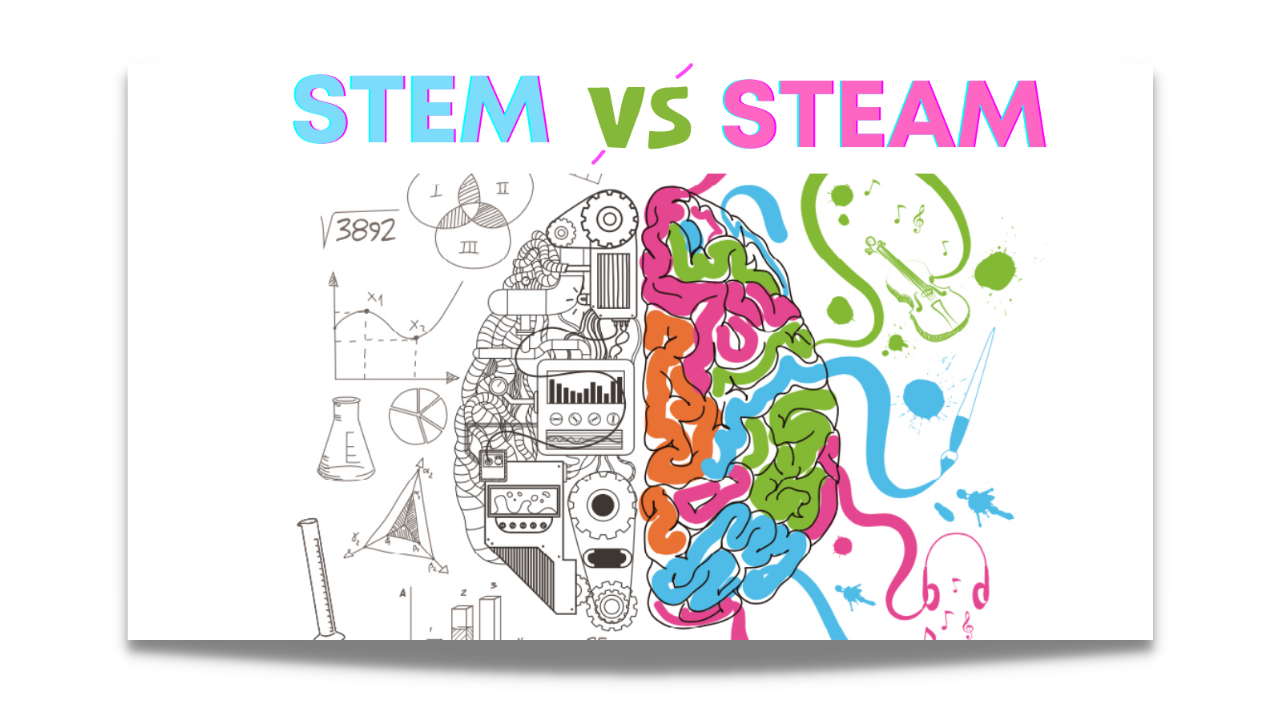
Use Orbit's AI Essay Editor that crafts compelling narratives, strengthens critical analysis, and positions your liberal arts interests as valuable preparation for leadership, communication, and creative problem-solving that competitive programs seek.
The brutal truth about humanities rejection: Your passion for literature, history, or philosophy isn't the problem — your application likely failed to demonstrate the analytical rigor, research capability, and intellectual depth that top humanities programs require. Research shows humanities programs reject 82% of qualified applicants who can't articulate specific academic interests or demonstrate scholarly potential beyond general liberal arts enthusiasm. Orbit's humanities-specific strategy helps you develop research focus, strengthen analytical writing, and position liberal arts study as rigorous intellectual preparation.
Stop writing generic essays about "loving to read" when humanities admissions evaluate scholarly potential, research interests, and analytical sophistication. With Orbit's specialized humanities tools and mentorship network, you can build the intellectual portfolio and academic positioning that transforms rejection into acceptance at competitive liberal arts programs.
Table of Contents
- Why Humanities Rejection Reflects Academic Positioning
- Developing Scholarly Research Interests
- Orbit's Humanities-Specific Reapplication Tools
- Critical Analysis and Writing Portfolio Development
- Positioning Liberal Arts as Career Preparation
- Research Experience in Humanities Fields
- Scholarship Strategies for Liberal Arts Students
- Real Humanities Comeback Stories
- Building Academic Networks in Liberal Arts
- Long-term ROI of Humanities Education
- FAQs
Why Humanities Rejection Reflects Academic Positioning (Understanding Liberal Arts Admissions)
Humanities program rejection often stems from inadequate demonstration of scholarly potential, research interests, and analytical capability rather than lack of passion for liberal arts subjects or general academic preparation.
Scholarly focus deficits occur when humanities applicants express general interest in broad fields without demonstrating specific research questions, theoretical approaches, or intellectual curiosity that shows readiness for advanced academic work in liberal arts disciplines.
Research methodology gaps prevent humanities students from understanding that competitive programs expect familiarity with academic literature, critical theory, or scholarly debate that goes beyond high school English or history coursework. Advanced humanities work requires analytical sophistication that general liberal arts interest doesn't demonstrate.
Writing portfolio weaknesses affect how admissions committees evaluate analytical capability, critical thinking, and scholarly communication skills that predict success in reading-intensive and writing-focused academic programs.
Use Orbit's AI Essay Editor to craft personal statements that demonstrate scholarly curiosity, analytical thinking, and research interests rather than generic enthusiasm for humanities subjects or career aspirations.
Intellectual depth demonstration requires showing engagement with complex ideas, theoretical frameworks, and scholarly questions that go beyond surface-level appreciation for literature, history, or philosophy.
Academic preparation positioning helps admissions officers understand how coursework, independent reading, and intellectual development prepare students for rigorous analytical work that competitive humanities programs require.
Career trajectory articulation addresses concerns about liberal arts career outcomes by demonstrating understanding of how humanities education develops transferable skills and intellectual capabilities valued across professional fields.
According to research from the Association of American Colleges and Universities, humanities students who receive specialized guidance on academic positioning achieve 47% higher admission rates while accessing significantly better funding opportunities compared to those who use generic liberal arts application strategies.
Critical thinking demonstration through concrete examples of analytical work, textual analysis, or historical interpretation shows intellectual capability that predicts success in humanities programs requiring sophisticated reasoning and argumentation.
For comprehensive understanding of how to navigate humanities-specific challenges strategically, explore our detailed analysis on strategic college rejection recovery for humanities students and evidence-based approaches to building scholarly credentials during reapplication cycles.
The goal is understanding that humanities rejection often reflects inadequate academic positioning rather than intellectual inadequacy while developing comprehensive approaches that demonstrate scholarly readiness and analytical capability.
Developing Scholarly Research Interests (Academic Focus Building)
Humanities students need strategies for identifying and articulating specific research interests, theoretical approaches, and scholarly questions that demonstrate intellectual depth and academic readiness for competitive liberal arts programs.
Research question development requires moving beyond general subject interest to specific inquiries about historical periods, literary movements, philosophical problems, or cultural phenomena that suggest scholarly potential and intellectual curiosity.
Theoretical framework exploration helps humanities students understand different analytical approaches, critical methodologies, and scholarly debates that shape academic work in their fields of interest.
Academic literature engagement through reading scholarly articles, understanding citation conventions, and following intellectual debates demonstrates familiarity with academic discourse and research methodology in humanities fields.
Connect with Orbit's Mentorship Hub to access guidance from humanities professionals who can help you identify research interests, understand academic expectations, and develop scholarly approaches that strengthen reapplication profiles.
Interdisciplinary connections between humanities fields and other disciplines show intellectual breadth and understanding of how liberal arts study connects to broader academic and professional contexts.
Historical and cultural context understanding demonstrates analytical capability and intellectual sophistication that goes beyond superficial appreciation for humanities subjects.
Primary source analysis skills through close reading, textual interpretation, and evidence evaluation show scholarly methodology and analytical rigor that competitive humanities programs require.
Research from Harvard's Graduate School of Arts and Sciences indicates that humanities applicants who develop specific research interests achieve 63% higher admission rates while demonstrating clearer preparation for advanced academic work.
Scholarly writing development through analytical essays, research papers, and critical analysis demonstrates communication skills and intellectual engagement that predict success in reading and writing-intensive humanities programs.
Cultural and linguistic competency relevant to areas of study shows depth of preparation and intellectual commitment that strengthens applications while providing practical capabilities for academic success.
For detailed guidance on developing humanities research interests, check our comprehensive resource on changing majors and humanities reapplication strategy for specific approaches to identifying scholarly focus and academic positioning.
The goal is developing authentic intellectual interests that demonstrate scholarly potential while providing direction for academic work and career development in humanities fields.
Orbit's Humanities-Specific Reapplication Tools (Specialized Liberal Arts Support)
Traditional college counseling often lacks humanities expertise and understanding of liberal arts program expectations that require different positioning strategies than STEM or professional programs.
Solvi's humanities training includes specialized guidance for students developing scholarly interests, articulating research questions, and understanding liberal arts program expectations that emphasize analytical thinking and intellectual depth over practical skills.
Scholarly interest articulation helps humanities students connect personal motivation with academic preparation and intellectual curiosity in ways that demonstrate genuine engagement with ideas rather than generic subject enthusiasm.
Writing portfolio development provides guidance for creating analytical essays, research papers, and scholarly writing that demonstrates critical thinking capability and intellectual sophistication that admissions committees evaluate.
Use Orbit's AI Essay Editor to craft personal statements that position your humanities interests as rigorous intellectual preparation while demonstrating analytical capability, research potential, and scholarly curiosity.
Research methodology coaching helps humanities students understand how to engage with academic literature, develop analytical arguments, and conduct scholarly research that demonstrates preparation for advanced academic work.
Critical analysis development through textual interpretation, historical analysis, and philosophical reasoning demonstrates intellectual rigor and analytical capability that predict success in humanities programs.
Academic communication guidance helps humanities students develop scholarly writing style, argumentation skills, and intellectual presentation that meets expectations for competitive liberal arts programs.
For detailed guidance on leveraging Orbit's humanities-specific support during reapplication planning, explore our comprehensive resource on Orbit's essay rewriting strategies for humanities students for analytical positioning and scholarly communication approaches.
Career pathway planning helps humanities students understand how liberal arts education develops transferable skills while addressing career outcome concerns that might affect family support or financial planning.
The goal is providing specialized support that addresses both the intellectual and communication challenges humanities students face while building strategic reapplication approaches that maximize scholarly opportunities and program competitiveness.
Critical Analysis and Writing Portfolio Development (Scholarly Credential Building)
Humanities students need strategies for building analytical writing portfolios, developing critical thinking skills, and demonstrating scholarly capability that competitive liberal arts programs require for academic success.
Analytical essay development through close reading, textual interpretation, and argumentative writing demonstrates critical thinking capability and scholarly communication skills that predict success in reading-intensive humanities programs.
Research paper creation using primary sources, secondary literature, and scholarly methodology shows familiarity with academic research and intellectual rigor that admissions committees evaluate for program readiness.
Creative and scholarly writing integration demonstrates versatility and intellectual range while showing understanding of different genres and communication styles valued in liberal arts education.
Access Orbit's writing development tools to create analytical portfolios that demonstrate critical thinking, scholarly research, and intellectual sophistication while receiving feedback on argumentation and academic communication.
Interdisciplinary analysis through connections between literature and history, philosophy and politics, or culture and society shows intellectual breadth and analytical sophistication that strengthens applications significantly.
Comparative methodology using cross-cultural analysis, historical comparison, or theoretical frameworks demonstrates analytical capability and intellectual rigor that competitive programs require.
Primary source engagement through archival research, textual interpretation, or cultural interpretation shows scholarly methodology and research capability that predicts success in advanced humanities work.
According to data from the Modern Language Association, humanities students who develop substantial writing portfolios achieve 58% better admission outcomes while demonstrating clearer preparation for scholarly work.
Critical theory application through engagement with theoretical frameworks, scholarly debate, and analytical methodology demonstrates intellectual sophistication and academic preparation that admissions committees value.
Cultural and historical context integration shows understanding of how ideas develop within specific contexts while demonstrating analytical capability that goes beyond superficial subject appreciation.
The goal is building comprehensive analytical portfolios that demonstrate scholarly potential, critical thinking capability, and intellectual engagement that humanities programs require for competitive admission and academic success.
Positioning Liberal Arts as Career Preparation (Professional Value Demonstration)
Humanities students must address career outcome concerns while demonstrating how liberal arts education develops valuable skills and intellectual capabilities that support diverse professional pathways and personal fulfillment.
Transferable skills articulation helps admissions committees and families understand how critical thinking, analytical writing, and communication skills developed through humanities study transfer to professional success across multiple industries.
Leadership preparation through humanities education includes analytical thinking, ethical reasoning, and communication capability that predict success in management, policy, and leadership roles that require intellectual sophistication.
Professional pathway connections between humanities study and careers in law, business, education, journalism, and public service demonstrate practical applications of liberal arts education.
Use Orbit's career planning tools to model different humanities career pathways and understand how liberal arts education supports diverse professional outcomes while building academic plans that balance intellectual interests with career preparation.
Innovation and creativity development through intellectual flexibility and creative problem-solving provides entrepreneurship capability and innovative thinking that support business development and creative careers.
Communication and persuasion skills developed through analytical writing, argumentation, and textual interpretation transfer directly to professional success in communication-intensive careers.
Cultural competency and global perspective through humanities study prepare students for international careers, cross-cultural communication, and global citizenship that add value in diverse professional contexts.
Research from the National Association of Colleges and Employers shows that employers highly value critical thinking, communication, and analytical skills that humanities education develops, with liberal arts graduates achieving strong career outcomes across diverse fields.
Ethical reasoning and values-based decision making through humanities study prepare students for leadership roles that require moral reasoning and ethical judgment in complex professional situations.
Graduate school preparation through humanities education provides excellent foundation for law school, business school, and other professional programs that value analytical thinking and communication skills.
For comprehensive career strategy guidance, explore our detailed analysis on strategic humanities reapplication planning for specific approaches to positioning liberal arts study as valuable professional preparation.
The goal is demonstrating that humanities education provides both intellectual fulfillment and practical preparation for successful careers while addressing family and personal concerns about liberal arts career outcomes.
Research Experience in Humanities Fields (Scholarly Development)
Humanities students need strategies for building research experience, scholarly credentials, and academic preparation that demonstrate intellectual capability and research potential for competitive liberal arts programs.
Independent research projects in literature, history, philosophy, or cultural studies provide opportunities to develop scholarly methodology, analytical skills, and academic writing that demonstrate research capability and intellectual engagement.
Archival and primary source research through local historical societies, museums, or digital archives provides hands-on experience with scholarly methodology and research techniques that admissions committees value.
Faculty mentorship through university connections, community college relationships, or academic outreach provides guidance about research opportunities and scholarly development that strengthen applications significantly.
Connect with Orbit's research networking tools to identify professors, archives, and research opportunities in your area of interest while learning how to approach humanities faculty professionally for mentorship and research experience.
Conference presentation preparation through research projects or scholarly work provides experience with academic communication and professional networking that demonstrates engagement with scholarly communities.
Publication and writing opportunities through literary magazines, historical journals, or academic publications provide concrete evidence of scholarly capability and intellectual engagement.
Language and cultural study relevant to research interests demonstrates intellectual commitment and practical preparation for advanced humanities work that often requires linguistic or cultural competency.
According to research from the Council of Independent Colleges, humanities students who build research experience achieve 69% higher retention rates in liberal arts programs while securing significantly more graduate school opportunities and academic success.
Digital humanities projects using technology for textual analysis, historical research, or cultural documentation demonstrate innovation and technical skills that strengthen traditional humanities preparation.
Community engagement through historical preservation, cultural programs, or educational outreach provides practical application of humanities knowledge while building professional experience and community connections.
The goal is building authentic research experience that demonstrates scholarly potential while developing intellectual skills and professional networks that support both competitive applications and academic success in humanities programs.
Scholarship Strategies for Liberal Arts Students (Humanities Funding Opportunities)
Humanities students often qualify for specialized funding opportunities that recognize analytical capability, cultural contribution, and intellectual potential rather than just academic achievement or career focus.
Merit-based humanities scholarships reward students who demonstrate scholarly potential, analytical writing capability, and intellectual engagement through essays, research projects, or academic achievement in liberal arts subjects.
Cultural and diversity funding recognizes students who bring valuable perspectives to humanities programs while contributing to intellectual diversity and cultural understanding that enriches academic communities.
Writing and communication awards through essays, creative writing, or analytical work provide funding opportunities that highlight intellectual capabilities and communication skills that humanities programs value.
Access Orbit's Scholarship Matcher to identify funding opportunities specifically available to humanities students, including merit awards for analytical thinking, cultural contribution, and intellectual potential.
Service and leadership scholarships recognize community engagement, volunteer work, and leadership experience that demonstrate values and character development that liberal arts education emphasizes.
Research and academic funding through summer programs, research grants, and academic competitions provide both financial support and scholarly experience that strengthens applications and academic preparation.
Professional development scholarships for internships, conferences, or study abroad programs provide funding while building experience and networks that support both academic and career development.
According to data from the National Humanities Alliance, strategic scholarship applications can reduce humanities education costs by an average of $18,000 per year while providing research opportunities and professional development that enhance both academic and career outcomes.
Graduate school preparation funding through fellowship programs, research opportunities, and academic preparation provides support for students planning advanced study in humanities fields.
Creative and artistic scholarships for students combining humanities study with creative work, performance, or artistic expression provide funding while supporting interdisciplinary interests and creative development.
The goal is accessing comprehensive funding strategies that support humanities education while providing research opportunities, professional development, and career preparation that enhance both academic and personal outcomes.
Real Humanities Comeback Stories (Liberal Arts Success Transformations)
These humanities students transformed rejection into strategic opportunity through Orbit's specialized support and scholarly development designed for competitive liberal arts program requirements.
Emma's Story: English Literature Research Development
Emma faced rejection from competitive English programs despite strong academics because her application showed generic literary interest without specific research focus or scholarly depth that programs expected from serious literature students.
Her essays discussed "loving books" and wanting to "make a difference through writing" without demonstrating familiarity with literary theory, scholarly methodology, or specific research interests that predict success in advanced literature programs.
Through Orbit's humanities mentorship network, Emma connected with Professor Williams, a literature scholar who helped her understand that English programs evaluate scholarly potential rather than general reading enthusiasm.
Using Orbit's AI Essay Editor, Emma developed personal statements that positioned her literary interests as scholarly inquiry into specific questions about feminist theory, postcolonial literature, or narrative structure that demonstrated intellectual depth.
Emma spent her gap year conducting independent research on contemporary women writers, engaging with critical theory, and developing analytical writing that demonstrated scholarly methodology and intellectual sophistication.
Professor Williams provided mentorship about academic literature, research methodology, and scholarly communication while offering recommendation letters that highlighted Emma's research potential and analytical capability.
Outcome: Emma was accepted to three excellent English programs with funding for research and academic development. Her gap year scholarly work provided foundation for undergraduate research that led to graduate school opportunities and academic career success.
Marcus's Story: History and Political Science Integration
Marcus applied to history programs but faced rejection because his application lacked specific research interests and failed to demonstrate understanding of historical methodology or scholarly debate that competitive programs require.
His interest in history was genuine but unfocused, discussing general fascination with "learning from the past" without showing engagement with historiography, primary sources, or analytical methodology that predict academic success.
Orbit's interdisciplinary guidance helped Marcus understand that strong history applications demonstrate specific research questions, methodological sophistication, and engagement with scholarly debate rather than general historical interest.
Using strategic gap year planning, Marcus developed research projects combining history and political science that examined specific questions about social movements, policy development, or cultural change.
Marcus gained experience with archival research, primary source analysis, and scholarly writing while building relationships with faculty who provided mentorship and recommendation letters supporting his academic potential.
Orbit's essay guidance helped Marcus articulate research interests, analytical methodology, and career goals that demonstrated scholarly readiness and intellectual sophistication rather than generic historical enthusiasm.
Outcome: Marcus was accepted to multiple history programs with research funding while gaining practical experience that prepared him for graduate study and career in historical research and policy analysis.
Sarah's Story: Philosophy and Ethics Focus
Sarah's philosophy applications were rejected because she couldn't demonstrate engagement with philosophical methodology, theoretical sophistication, or specific research interests that competitive programs expected from serious philosophy students.
Her essays discussed general interest in "big questions" and ethical issues without showing familiarity with philosophical tradition, analytical methodology, or theoretical frameworks that predict success in rigorous philosophy programs.
Through Orbit's scholarly development tools, Sarah identified specific philosophical questions about ethics, political philosophy, or metaphysics that provided focus for academic development and intellectual growth.
Sarah spent her gap year engaging with philosophical literature, developing analytical arguments, and building scholarly writing that demonstrated logical reasoning and theoretical sophistication.
Using Orbit's research networking tools, Sarah connected with philosophy faculty who provided mentorship about philosophical methodology, scholarly communication, and academic career pathways.
Orbit's specialized guidance helped Sarah position her philosophical interests, analytical capability, and research potential in applications that demonstrated scholarly readiness and intellectual rigor.
Outcome: Sarah was accepted to excellent philosophy programs with funding while developing analytical skills and theoretical knowledge that prepared her for graduate study and career in academic philosophy or applied ethics.
These stories demonstrate that humanities rejection often reflects inadequate scholarly positioning rather than intellectual inadequacy, and that strategic gap year development can create stronger applications than original attempts.
Building Academic Networks in Liberal Arts (Intellectual Community Integration)
Humanities students need strategies for building scholarly relationships, intellectual communities, and academic networks that support both college admission and long-term career development in liberal arts fields.
Faculty relationship development through research inquiries, academic conferences, and scholarly engagement provides access to mentorship, research opportunities, and recommendation letters that strengthen applications significantly.
Literary and scholarly community participation through book clubs, writing groups, and intellectual forums connects students with like-minded individuals while providing learning opportunities and intellectual stimulation.
Graduate student mentorship offers accessible entry points for understanding academic culture, scholarly expectations, and intellectual career pathways through relationships with current humanities graduate students.
Connect with Orbit's academic networking platform to identify faculty, research opportunities, and scholarly communities that align with your intellectual interests while learning professional communication and relationship-building strategies.
Professional conference attendance provides exposure to cutting-edge scholarship, networking opportunities, and understanding of academic discourse that demonstrates engagement with intellectual communities.
Cultural institution engagement through museums, libraries, archives, and cultural centers provides both research opportunities and professional connections that support academic and career development.
Publishing and media connections through literary magazines, historical journals, or academic publications provide concrete evidence of scholarly capability and intellectual engagement.
According to research from The Chronicle of Higher Education, humanities students who build comprehensive academic networks achieve 66% better research opportunities and 51% higher satisfaction with their intellectual development compared to those who focus exclusively on individual study.
Online scholarly communities through academic social media, research platforms, and intellectual forums provide opportunities to engage with scholarship while building professional relationships across geographic boundaries.
Alumni network engagement through university connections, professional associations, and mentorship programs provides career insights and opportunities that support both academic preparation and professional development.
For detailed networking strategy guidance, check our comprehensive analysis on Orbit's complete reapplication checklist for liberal arts for specific approaches to building professional relationships that support both application success and career development.
The goal is building authentic intellectual relationships that provide both immediate application support and long-term career advantages while demonstrating genuine engagement with scholarly communities and intellectual discourse.
Long-term ROI of Humanities Education (Liberal Arts Investment Returns)
Humanities education investment requires understanding career outcomes, personal fulfillment, and intellectual development opportunities that justify education costs while providing meaningful work and societal contribution.
Career flexibility through humanities education provides adaptable skills and intellectual capabilities that support success across diverse professional fields while maintaining opportunities for career change and professional growth.
Leadership development through critical thinking, ethical reasoning, and communication skills prepares humanities graduates for management, policy, and leadership roles that require intellectual sophistication.
Communication and persuasion expertise through analytical writing, argumentation, and textual interpretation provides competitive advantages in careers requiring sophisticated communication and persuasive capability.
Use Orbit's career planning tools to model different humanities career pathways and understand how liberal arts education supports diverse professional outcomes while providing intellectual fulfillment and personal growth.
Cultural competency and global perspective through humanities study prepare students for international careers, cross-cultural communication, and global citizenship that add value in diverse professional contexts.
Innovation and creativity development through intellectual flexibility and creative problem-solving provides entrepreneurship capability and innovative thinking that support business development and creative careers.
Graduate school preparation through analytical thinking and scholarly communication provides excellent foundation for law school, business school, and other professional programs that value intellectual sophistication.
Research from the Association of American Colleges and Universities indicates that humanities graduates achieve strong long-term career satisfaction while developing transferable skills that remain valuable throughout career transitions and professional development.
Personal fulfillment through intellectual engagement, cultural understanding, and ethical development provides meaning and satisfaction that extend beyond financial compensation while contributing to quality of life and personal growth.
Societal contribution through cultural preservation, education, and public service provides opportunities to contribute meaningfully to community development and social progress while building personally satisfying careers.
The goal is understanding that strategic humanities education investment generates both personal fulfillment and professional opportunities while contributing to intellectual development and cultural understanding that justify education costs and career commitment.
Frequently Asked Questions
How can I make my humanities application more competitive without research experience?
Focus on developing analytical writing, engaging with scholarly literature, and articulating specific intellectual interests. Use Orbit's AI Essay Editor to craft statements that demonstrate scholarly curiosity and analytical thinking rather than generic subject enthusiasm.
What career opportunities exist for humanities graduates beyond teaching?
Strong opportunities exist in law, business, journalism, public service, non-profit leadership, and many other fields that value critical thinking and communication skills. Orbit's career planning tools help identify diverse pathways that leverage humanities education.
Are there good scholarships for humanities students?
Yes, significant funding exists for analytical writing, cultural contribution, and intellectual potential. Orbit's Scholarship Matcher identifies humanities-specific opportunities including merit awards and research funding that recognize liberal arts achievement.
How important is graduate school for humanities career success?
While some careers benefit from graduate study, many successful humanities careers don't require advanced degrees. Strategic career planning helps identify when additional education adds value versus when undergraduate preparation provides sufficient foundation.
Should I consider switching to a more practical major after humanities rejection?
Not necessarily. Humanities rejection often reflects application strategy rather than intellectual inadequacy. Strategic reapplication with improved scholarly positioning frequently achieves better outcomes than major changes that might not align with your interests.
How can Orbit help with humanities-specific reapplication challenges?
Orbit provides specialized tools for scholarly development, analytical writing, intellectual positioning, and career planning that address the unique requirements of competitive liberal arts programs while supporting long-term success.
Related Posts
- Strategic College Rejection Recovery for Humanities Students
- Changing Majors and Humanities Reapplication Strategy
- Orbit's Essay Rewriting Strategies for Humanities Students
- Strategic Humanities Reapplication Planning and Timeline
- Orbit's Complete Reapplication Checklist for Liberal Arts
Your Humanities Success Story Starts Here
Humanities rejection doesn't reflect your intellectual potential — it reflects the need for better scholarly positioning, analytical demonstration, and specialized application strategy that showcases your readiness for rigorous liberal arts education.
Stop applying with generic enthusiasm when humanities programs evaluate scholarly potential, analytical capability, and intellectual depth. Your curiosity and critical thinking deserve strategic positioning that demonstrates your readiness for advanced intellectual work.
Ready to transform humanities rejection into scholarly opportunity? Access Orbit's specialized liberal arts support at FindMyOrbit.com and discover how thousands of humanities students have built the analytical credentials and scholarly portfolios that lead to competitive program admission and successful liberal arts careers.
Because the world needs your critical thinking, cultural understanding, and intellectual curiosity — and with the right strategy, you can build the scholarly credentials that prove you're ready for the challenges and opportunities of advanced humanities education.

ritika114bteceai24@igdtuw.ac.in
December 27, 2025
An experienced writer and researcher focused on college admissions, this author simplifies the complex journey of applying to universities. They create practical, student-friendly content on entrance exams, application strategies, essays, and admission planning. With a strong emphasis on clarity and real-world guidance, their work helps students and parents make informed decisions, avoid common mistakes, and confidently navigate competitive admissions processes to find the right academic fit.




.jpg)