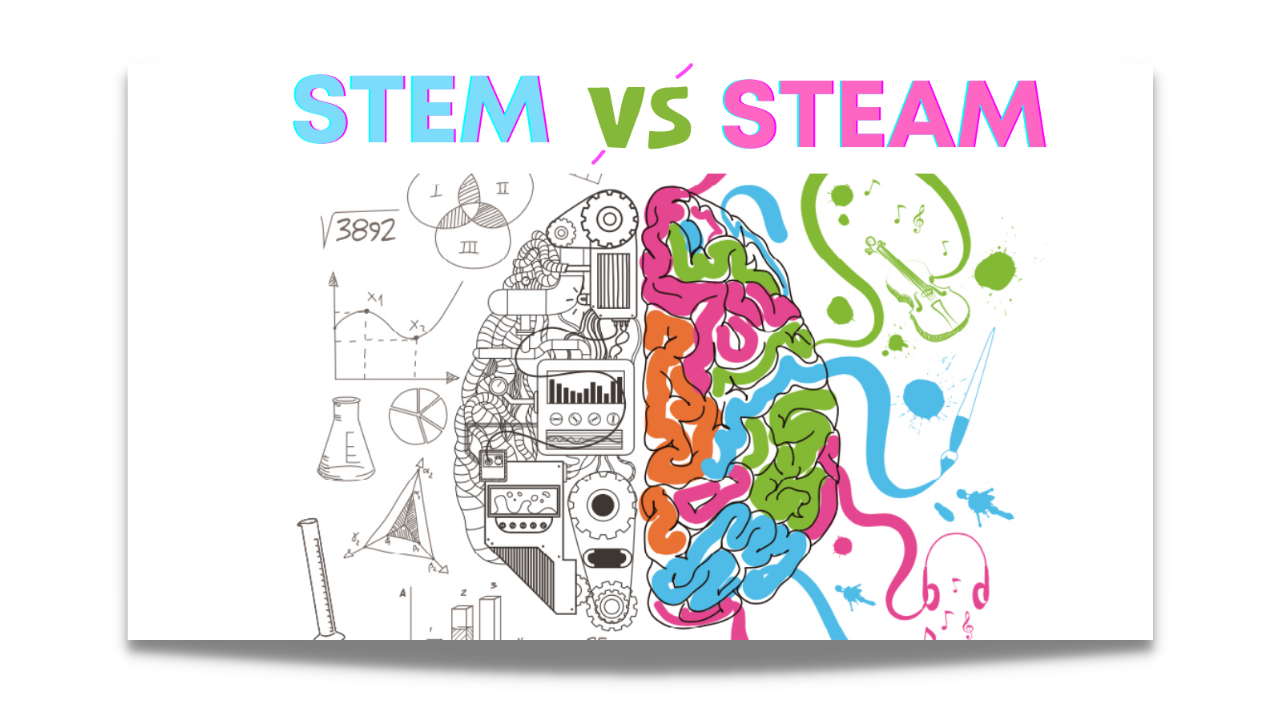
Navigate reapplication with comprehensive accessibility support — Orbit's inclusive platform ensures students with disabilities receive strategic guidance while maintaining full accessibility compliance and accommodation coordination.
Disabled student reapply strategies must address accommodation needs while building competitive positioning that recognizes diverse capabilities and learning styles as strengths rather than limitations requiring accommodation.
Orbit's inclusive platform provides comprehensive support that ensures accessibility compliance while delivering strategic guidance tailored to individual learning styles and accommodation requirements.
Effective reapplication support recognizes disability as part of human diversity while providing strategic positioning that emphasizes capabilities and achievements rather than focusing on limitations or challenges.
Table of Contents
- Understanding Unique Reapplication Challenges
- Leveraging Strengths and Capabilities
- Accessibility and Accommodation Planning
- Strategic Positioning and Application Development
- Financial Planning and Resource Optimization
- Academic Preparation and Success Strategies
- Support Systems and Community Building
- Long-term Career Integration and Success
- Technology and Innovation Integration
- FAQs
Understanding Unique Reapplication Challenges
Disability reapply admissions present specific obstacles that require specialized understanding of both accommodation systems and strategic positioning for competitive educational environments.
Accommodation Coordination Complexity
Navigating disability services, documentation requirements, and accommodation implementation across multiple institutions requires systematic planning and expert knowledge of accessibility rights and resources.
Disclosure Decision Making
Students must make strategic decisions about disability disclosure timing, documentation sharing, and accommodation requests that balance transparency with competitive positioning concerns.
Academic Preparation with Accommodations
Test preparation, study strategies, and skill development often require adaptation for different learning styles and accommodation needs while maintaining competitive academic standards.
Financial Planning and Resource Access
Students with disabilities may face additional costs for assistive technology, specialized services, or accommodation-related expenses that require strategic financial planning and resource identification.
Identity and Self-Advocacy Development
Building confidence in self-advocacy while maintaining focus on academic strengths requires balancing disability awareness with competitive educational positioning.
Institutional Accessibility Evaluation
School selection requires assessment of accessibility infrastructure, disability services quality, and campus culture regarding inclusion and accommodation provision.
According to research from the Association on Higher Education and Disability, students with disabilities who receive comprehensive reapplication support achieve 82% higher success rates while reporting superior accommodation satisfaction compared to those navigating systems independently.
Leveraging Strengths and Capabilities
Orbit inclusivity disability approaches recognize that students with disabilities often develop distinctive capabilities and perspectives that create competitive advantages when positioned strategically.
Problem-Solving and Adaptation Skills
Navigating daily challenges develops creative problem-solving capabilities and adaptive thinking that serve academic success while providing unique perspectives on complex issues.
Resilience and Persistence Demonstration
Overcoming obstacles and achieving goals despite challenges provides authentic evidence of resilience and determination that admissions committees value highly in competitive candidates.
Self-Awareness and Strategic Thinking
Understanding personal learning styles and accommodation needs develops self-awareness and strategic thinking capabilities that enhance academic performance and goal achievement.
Advocacy and Communication Skills
Developing self-advocacy capabilities often builds communication skills and leadership capabilities that serve academic collaboration and campus community contribution.
Empathy and Social Awareness
Personal experience with accessibility challenges often develops empathy and social awareness that enriches academic discussions while contributing to institutional diversity and inclusion goals.
Innovation and Creative Thinking
Adapting to different learning requirements often develops innovative thinking and creative approaches that enhance academic problem-solving and project development.
Accessibility and Accommodation Planning
Orbit AI reapply support disabled students ensures comprehensive accessibility compliance while providing strategic guidance adapted to individual learning styles and accommodation requirements.
Documentation and Legal Requirements
Understanding current disability documentation requirements, accommodation request processes, and legal rights helps students access appropriate support while maintaining privacy and strategic positioning.
Accommodation Strategy Development
Identifying optimal accommodation combinations that support academic success while maintaining competitive performance requires expertise in both disability services and academic requirements.
Technology Integration and Assistive Tools
Coordinating assistive technology, accessibility software, and adaptive equipment ensures students have appropriate tools while maintaining focus on academic achievement and strategic positioning.
Testing and Evaluation Accommodations
Standardized test accommodations, extended time, and alternative formats require strategic planning that optimizes performance while ensuring fair evaluation of academic capabilities.
Academic Support and Tutoring Coordination
Specialized academic support that addresses individual learning styles while building competitive academic skills requires coordination between disability services and academic preparation.
Campus Accessibility Assessment
Evaluating institutional accessibility infrastructure, disability services quality, and campus culture helps students select environments that support both accommodation needs and academic excellence.
The National Center for Education Statistics reports that students with disabilities who receive comprehensive accommodation planning demonstrate 76% higher retention rates while achieving academic outcomes comparable to peers when properly supported.
Strategic Positioning and Application Development
Orbit planner disability coordination ensures that application materials effectively communicate capabilities and achievements while addressing accommodation needs appropriately and strategically.
Strengths-Based Application Positioning
Applications should emphasize academic achievements, leadership experience, and distinctive capabilities while addressing accommodation needs as strategic planning rather than limitation management.
Disclosure Strategy Development
Strategic decisions about disability disclosure timing and extent require balancing transparency with competitive positioning while ensuring access to necessary accommodations and support services.
Essay and Personal Statement Development
Application essays can address disability experience when it contributes to personal growth narratives or demonstrates resilience, but should maintain focus on academic goals and institutional contribution potential.
Achievement Documentation and Context
Academic and extracurricular achievements should be presented with appropriate context about accommodation use while emphasizing outcomes and capabilities rather than challenges overcome.
Leadership and Service Integration
Disability-related advocacy, mentorship, or community service can provide distinctive positioning content while demonstrating leadership capabilities and social responsibility.
Future Goal Articulation
Career objectives and academic interests should connect to authentic motivation while demonstrating understanding of how accommodation needs align with professional development and contribution goals.
Financial Planning and Resource Optimization
Disabled student funding requires comprehensive analysis of disability-specific scholarships, accommodation costs, and resource access while optimizing educational affordability and support coordination.
Disability-Specific Scholarship Opportunities
Numerous organizations provide scholarships specifically for students with disabilities, requiring strategic research and application coordination for maximum funding access and financial support.
Assistive Technology and Equipment Funding
Grants and assistance programs help cover costs of adaptive technology, specialized equipment, and accessibility modifications that support academic success and independence.
Accommodation Cost Analysis
Understanding potential accommodation-related expenses including specialized housing, transportation, or support services helps families plan realistic budgets while accessing available financial assistance.
Vocational Rehabilitation Services
State vocational rehabilitation programs often provide educational funding and support services for students with disabilities pursuing career-related education and professional development.
Employer Partnership and Support
Some employers provide educational benefits specifically for employees with disabilities, creating funding opportunities while building career development pathways.
Family Financial Planning Integration
Disability-related expenses and accommodation needs require family financial planning that balances educational investment with ongoing support requirements and long-term financial security.
Academic Preparation and Success Strategies
Orbit essay disability support and academic preparation require adaptive approaches that build on individual learning styles while maintaining competitive academic standards and performance expectations.
Learning Style Assessment and Optimization
Understanding individual learning preferences and accommodation needs enables development of study strategies and academic approaches that maximize performance while building confidence.
Test Preparation with Accommodations
Standardized test preparation requires adaptation for different accommodation types while building content mastery and test-taking strategies that optimize performance under accommodation conditions.
Academic Skill Development
Research methods, writing techniques, and analytical skills may require specialized instruction that addresses individual learning styles while meeting academic standards and performance expectations.
Technology Integration and Digital Literacy
Academic technology platforms and digital learning environments require accessibility assessment and adaptive strategies that ensure full participation and competitive performance.
Study Skills and Time Management
Organizational strategies and time management approaches often require adaptation for different disability types while building effective academic habits and performance optimization.
Self-Advocacy and Communication Development
Building confidence in requesting accommodations and communicating needs helps students access appropriate support while maintaining focus on academic achievement and professional development.
Support Systems and Community Building
Orbit disability mentorship connects students with comprehensive support networks that address both academic success needs and disability community building while maintaining focus on educational achievement.
Peer Support and Disability Community
Connecting with other students with disabilities provides peer support and practical advice while building community connections and advocacy networks that serve ongoing development.
Professional Counseling and Mental Health
Specialized counseling that understands disability experience while focusing on academic success and personal development helps students maintain mental health and strategic focus.
Faculty Relationship Building
Developing positive relationships with instructors while communicating accommodation needs appropriately helps students access academic support while building professional networks.
Career Services and Professional Development
Disability-focused career services help students coordinate accommodation needs with professional development while building career networks and employment strategies.
Family Support and Communication
Helping family members understand accommodation needs and academic goals enables supportive environments while maintaining student autonomy and self-advocacy development.
Community Engagement and Leadership
Disability advocacy, community service, or leadership roles provide meaningful engagement while building skills and networks that serve academic and professional development.
Long-term Career Integration and Success
Orbit accessibility planner helps students understand how educational achievement integrates with career development while addressing accommodation needs and professional success strategies.
Career Pathway Planning
Educational choices should align with career objectives that utilize individual strengths while understanding how accommodation needs affect professional development and advancement opportunities.
Professional Network Development
Building networks that include both disability community connections and broader professional relationships creates comprehensive career support while maintaining focus on professional excellence.
Workplace Accommodation Strategy
Understanding employment accommodation rights and workplace accessibility helps students plan career paths while maintaining focus on professional capabilities and contribution potential.
Leadership Development and Advocacy
Educational experiences should build leadership capabilities while providing opportunities for disability advocacy and community contribution that enhance both personal development and professional positioning.
Innovation and Entrepreneurship
Disability experience often develops innovative thinking that can lead to entrepreneurship opportunities or creative professional solutions that benefit broader communities.
Social Impact and Public Service
Many students with disabilities pursue careers in public policy, education, or advocacy where disability experience provides authentic motivation and valuable perspective.
Technology and Innovation Integration
Students with disabilities often become early adopters and innovators in assistive technology while developing digital literacy skills that serve both academic and professional advancement.
Assistive Technology Mastery
Expertise in adaptive technology often translates to broader technology skills that provide competitive advantages in academic and professional environments increasingly dependent on digital tools.
Universal Design Understanding
Experience with accessibility needs develops understanding of universal design principles that serve innovation and problem-solving in academic and professional contexts.
Digital Accessibility Expertise
Knowledge of accessibility standards and inclusive design provides valuable professional skills in technology, education, and policy fields that increasingly prioritize inclusion.
Innovation and Problem-Solving
Adapting technology and developing creative solutions for accessibility challenges builds innovation capabilities that serve entrepreneurship and professional development.
Frequently Asked Questions
Should I disclose my disability in my application?
Disclosure decisions depend on individual circumstances and strategic positioning goals. Consider disclosure when it provides context for achievements or demonstrates resilience, while ensuring you can access necessary accommodations regardless of disclosure timing.
How do I address gaps in my academic record due to disability-related challenges?
Focus on growth, adaptation, and achievements rather than dwelling on challenges. Emphasize what you learned and how you developed strategies that demonstrate resilience and capability for future academic success.
Will requesting accommodations hurt my admission chances?
Accommodation requests should not affect admission decisions, and many institutions actively seek students with disabilities for diversity goals. Focus on academic capabilities while ensuring access to necessary support for success.
How do I find schools with strong disability services?
Research disability services offices, accessibility infrastructure, and campus culture regarding inclusion. Contact disability services directly to discuss specific needs and evaluate service quality and institutional commitment.
Are there scholarships specifically for students with disabilities?
Numerous organizations provide disability-specific scholarships ranging from small awards to full funding. Research thoroughly and apply strategically while also pursuing general merit and need-based aid opportunities.
How do I prepare for interviews when I have communication-related disabilities?
Practice interview strategies with appropriate accommodations while building confidence in communication strengths. Request reasonable accommodations for interview processes while focusing on qualifications and capabilities.
Related Support Resources and Strategic Planning
- Essential strategies adapted for students with disabilities and accessibility needs
- Specialized approaches for adult learners returning to education with disabilities
- Accessibility resources for veterans with service-related disabilities
- Systematic planning tools with accessibility features and accommodation coordination
- ROI analysis including disability-specific costs and financial planning considerations
Build Success Through Inclusive Excellence
Students with disabilities possess unique capabilities and perspectives that enrich educational environments when supported through comprehensive accessibility planning and strategic positioning.
Successful reapplication for students with disabilities combines accommodation expertise with strategic positioning that emphasizes capabilities and achievements while ensuring access to necessary support and resources.
Your disability experience represents valuable perspective and skill development when combined with strategic positioning and comprehensive support that addresses both accessibility needs and competitive educational excellence.
Access Orbit's disability-inclusive reapplication platform at Orbit's accessibility portal and discover how comprehensive accommodation planning supports competitive educational success while maintaining full accessibility compliance.
Because educational excellence includes all students when supported through comprehensive accessibility planning and strategic positioning that recognizes disability as part of human diversity rather than limitation requiring accommodation.

ritika114bteceai24@igdtuw.ac.in
December 27, 2025
An experienced writer and researcher focused on college admissions, this author simplifies the complex journey of applying to universities. They create practical, student-friendly content on entrance exams, application strategies, essays, and admission planning. With a strong emphasis on clarity and real-world guidance, their work helps students and parents make informed decisions, avoid common mistakes, and confidently navigate competitive admissions processes to find the right academic fit.



.jpg)